
Texas Phone Directory
The Texas phone directory brings together public contact records from state and county sources across all 254 counties. You can search for phone numbers, find people, and look up addresses through official databases kept by county clerks, tax offices, and state agencies. Texas makes many types of public records available for search, and this directory helps you find the right office or portal for your lookup. Whether you need a number in Houston, a listing in Dallas, or contact records from a small county seat, the search tools and links on this page point you to the correct source for Texas phone directory results.
Texas Phone Directory Overview
Texas Phone Directory State Resources
Texas has several state agencies that keep public records useful for phone directory searches. Each one holds a different type of data. Some let you search by name, and others by location or license type. The best place to start depends on what kind of contact info you need.
The Texas Secretary of State maintains the statewide voter registration database and business entity records for all corporations, LLCs, and partnerships in Texas. The business entity search lets you look up corporate officers, registered addresses, and filing history by name or file number. Assumed Name Certificates filed at the state level are also searchable. You can use this to find contact details tied to a business or its registered agent. The Secretary of State also keeps Uniform Commercial Code filings, which can show debtor and creditor relationships along with associated contact info.
The Texas phone directory pulls from these state portals for broader results. The Texas Department of Public Safety Crime Records Service maintains criminal history records for the whole state, and the public sex offender registry is searchable by name, address, county, or ZIP code. That registry shows photos, physical descriptions, and addresses for registered offenders. Name-based criminal history searches are available to the public for a fee from the Computerized Criminal History database.
The Texas Comptroller of Public Accounts provides another set of phone directory data. The Property Tax Assistance Division links to all 254 county appraisal districts. The unclaimed property database at ClaimItTexas.gov holds over $6 billion in unclaimed assets and can be searched by name or business name. Results may include dormant bank accounts, uncashed checks, insurance proceeds, and mineral royalties with associated contact records.
For historical and genealogy searches in Texas, the Texas State Library and Archives Commission has census records, military service records, land grants, and Confederate pension applications. The Texas Digital Archive gives online access to digitized documents, photographs, and maps. These records go back to the Spanish colonial period.
Note: State databases update on different schedules. For the most current phone directory info, check the source agency directly or contact the local county office.
Texas Phone Directory Search Portals
The Texas Secretary of State runs one of the most used search portals in the state. You can find voter registration status and business entity records through this site.
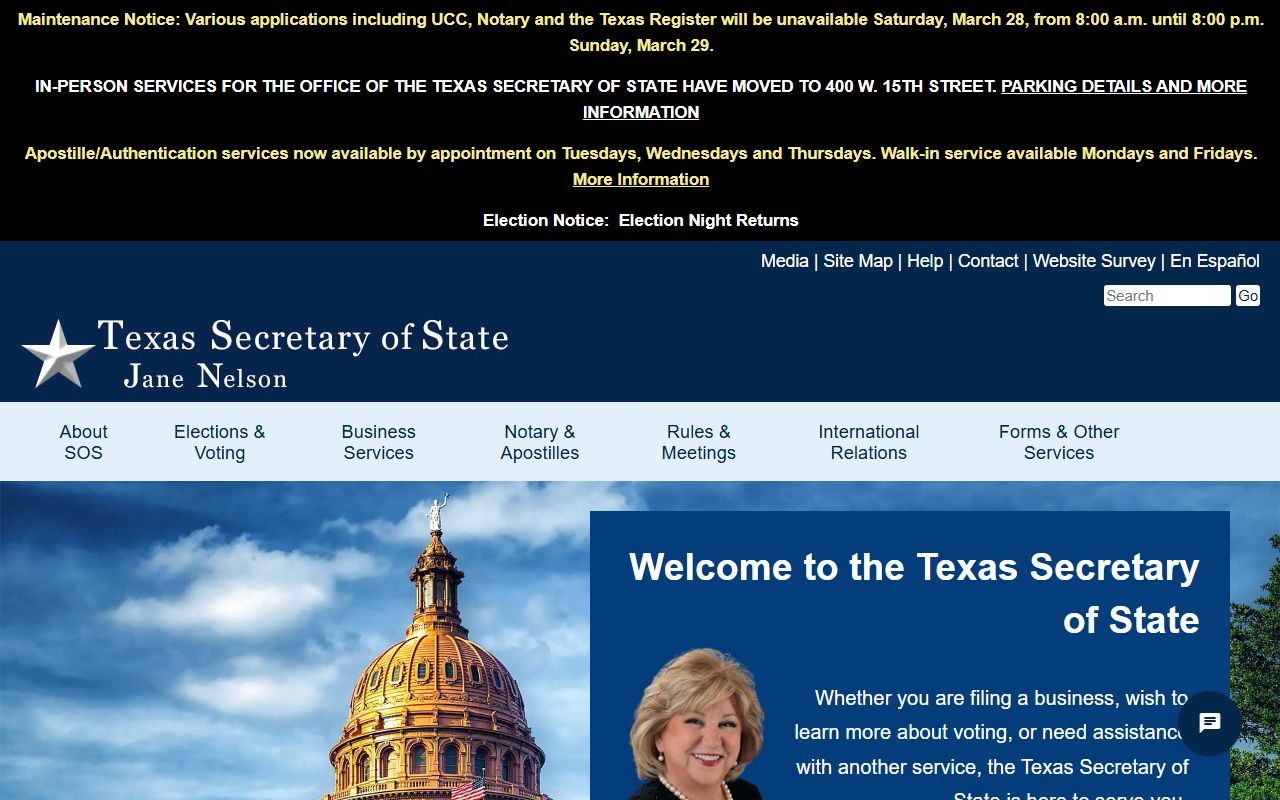
This portal lets you search by entity name, file number, or registered agent name. Results show corporate officers, registered addresses, and filing dates that can help you track down contact info for people linked to Texas businesses.
The Texas Department of State Health Services keeps vital statistics records. The Vital Statistics Unit maintains birth and death records from 1903 to the present. Birth records are confidential for 75 years, after which they become public records anyone can access. Death records have a 25-year confidentiality window. Marriage and divorce indexes are also kept, though the actual records stay at the county level. These records can help with phone directory searches when you need to trace family connections or verify a person's identity.
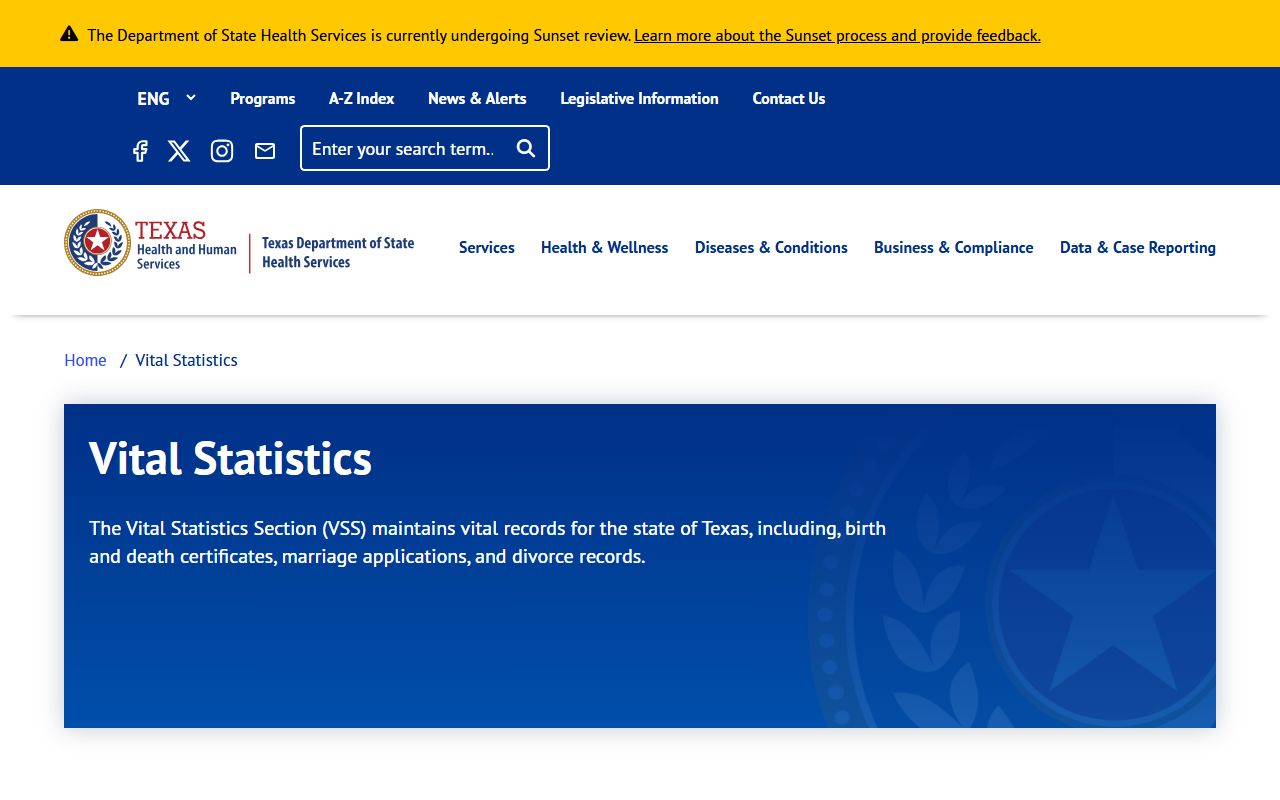
The DSHS processes about 800,000 birth certificates and 350,000 death certificates each year. Online ordering through Texas.gov or VitalChek gives expedited processing with tracking.
The Texas Department of Criminal Justice runs an inmate search that covers offenders in state prisons and those on parole or mandatory supervision. You can search by name, TDCJ number, or State Identification number to find current facility location, projected release date, and offense history.
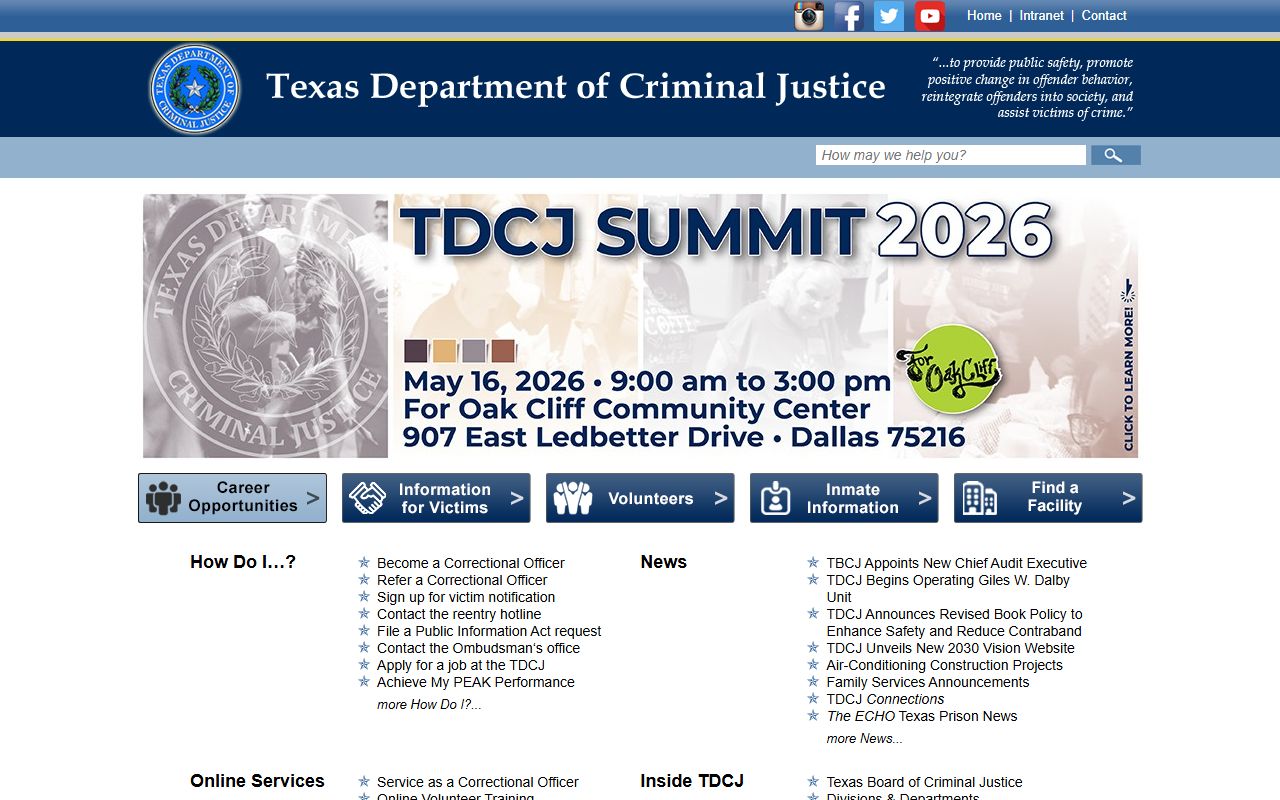
The database holds about 130,000 currently incarcerated offenders along with extensive historical records. It updates nightly. County jail inmates are not in this system. For those, you go to the county sheriff's office in the county where the arrest happened.
Phone Directory License Searches in Texas
Professional license databases are a strong source for Texas phone directory lookups. They hold names, addresses, and practice information tied to licensed professionals across the state.
The Texas Commission on Law Enforcement licensee search covers peace officers, corrections certifications, and telecommunicator licenses. You can search by name or TCOLE ID to verify a person's certification status and find their employing agency. The database has about 100,000 active and retired peace officers and jailers. Each result shows the licensee's employer and contact details for that department.
The Texas Medical Board physician license search gives detailed info on doctors, physician assistants, and acupuncturists in the state. Profiles include medical school, training history, board certifications, and practice addresses. You can search by name, license number, or location and filter by specialty. The board tracks about 100,000 licensed physicians. The Texas State Board of Public Accountancy offers CPA license verification with names, license dates, and firm registrations for about 100,000 CPAs.
The Texas Department of Licensing and Regulation covers over 40 different license types. That includes cosmetologists, electricians, air conditioning contractors, and towing operators. The database has more than 1 million active licenses you can search by name, license number, or business name. Each result shows issue date, expiration, and any disciplinary actions.
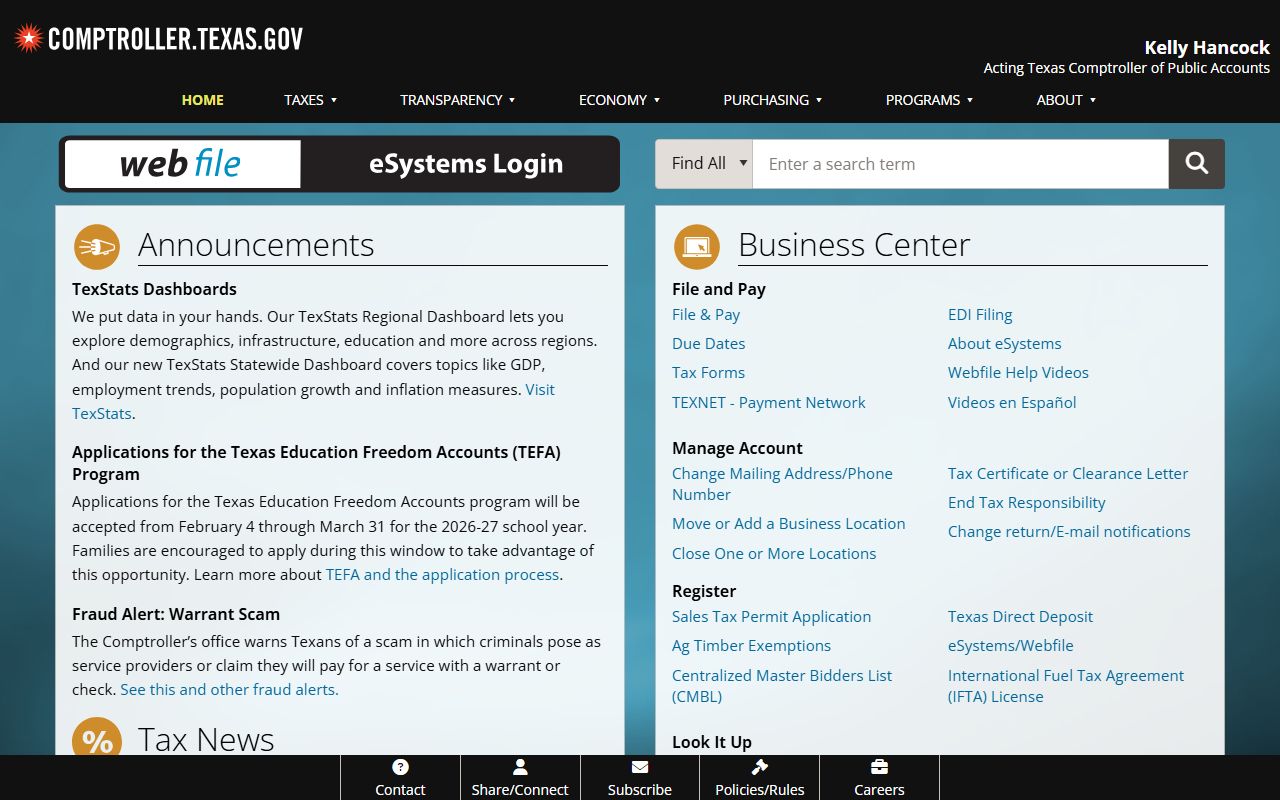
The Comptroller's office also provides Transparency Texas, a tool that shows searchable expenditure data for state agencies and local governments. The Taxpayer Transparency System lets you compare property tax rates across jurisdictions.
Texas Phone Directory and Public Records Law
Public records access in Texas runs on the Texas Government Code Chapter 552, known as the Public Information Act. This law gives the public the right to access government records with specific exceptions. It is the legal backbone that makes phone directory searches through government sources possible.
Government bodies must respond to public information requests within 10 business days. The Act presumes all government information is open to the public unless a specific exception applies. Common exceptions include personnel files, pending litigation, and certain law enforcement data. You do not need to show ID or give a reason for your request. If charges go over $40, the agency must give you an itemized cost estimate first. The Texas Attorney General's Office handles disputes and issues rulings when agencies question whether records should be released.
Criminal penalties exist for officials who knowingly violate the Public Information Act. The law applies to all state and local government bodies, including counties, cities, school districts, and special districts. This means phone directory records held by any of these entities can be requested.

The State Library and Archives Commission holds government records of permanent historical value from the Spanish colonial period to the present. These archives include genealogy collections with census records, military service records, and land grants that can help trace contact information for historical research.
Phone Directory Access at Texas County Offices
Each of the 254 Texas counties keeps its own set of public records. County clerks, district clerks, tax offices, and sheriff's offices all hold records with names, addresses, and contact details. Many counties now offer free online search portals for some of these records.
County clerks maintain real property records, marriage licenses, assumed name certificates, and other official documents. These records contain names and addresses linked to property transactions. District clerks keep court records for civil, criminal, family, and probate cases. Tax assessor-collector offices maintain property tax records and vehicle registrations, both of which tie to owner names and addresses. Appraisal districts keep property ownership records with detailed parcel info.
The Texas Bar Association member directory lets you verify attorney licenses and find lawyers by name, location, or practice area. Profiles show contact info, practice areas, and board certifications for over 100,000 attorneys. The Texas Ethics Commission maintains campaign finance reports for state-level candidates and political committees. The Searchable Window into Campaign Finance tool lets you look up contributions by donor name, which can surface address and contact records.
Online county records portals like TexasFile provide access to official public records from 200+ Texas counties. You can search by name for grantors and grantees and find deeds, mortgages, liens, and judgments. Most records date from the 1980s to the present. The data updates daily from county clerk records.
How to Search the Texas Phone Directory
Start with the type of info you need. If you want to find someone tied to a business, use the Secretary of State's entity search. For property owners, go to the county appraisal district. For court cases, try the county district clerk's portal.
Most searches work best when you have a full name. Some databases let you search by address or partial name. For county records, you can often search by property address, account number, or instrument number. Phone directory results from government databases typically include names, addresses, and sometimes phone numbers tied to official filings.
When you search the Texas phone directory through county offices, keep these tips in mind:
- Try all spelling variations of the name you are searching
- Use the county where the person lives or owns property
- Check both the county clerk and district clerk portals
- Look at the appraisal district for property owner info
- Use the tax office for vehicle registration records
Free basic searches are available at most county clerk websites. Some counties charge a small fee for document copies or certified records. Copies usually cost $1 per page, and certified copies run about $5 per document plus per-page charges.
Texas Phone Directory Additional Resources
The Texas Lottery Commission publishes winner information for prizes over $1 million, including name and city of residence. Winner information is a public record under Texas Government Code Chapter 466. Anonymity is not permitted under Texas law for lottery winners.
The Texas Ethics Commission SWIB tool lets you search campaign contributions and expenditures by donor, recipient, or date. The lobby activity reports show which organizations lobby the Texas Legislature. Personal financial statements filed by state officials are also open for public inspection. These databases hold millions of records with donor names, addresses, occupations, and amounts that can help with phone directory research.
The Archives Division at the State Library provides research help and reproduction services. Republic of Texas land grant records document original land titles from 1836 to 1845. County tax rolls on microfilm cover property ownership records for all 254 counties.
Browse Texas Phone Directory by County
Each Texas county has its own clerk offices that keep public records useful for phone directory searches. Pick a county below to find local contact info and search portals for that area.
Phone Directory for Major Texas Cities
Search the phone directory for major Texas cities. Each city page has local resources, county court links, and search portals to help you find contact records in that area.